Cosmetic Dentistry
 Brightening your smile with tooth whitening treatments can be a rewarding experience, though it sometimes leads to temporary tooth sensitivity. This side effect can make you experience quick discomfort, especially when your teeth are exposed to certain temperatures or when you’re eating certain foods. If you’re interested in tooth whitening but worried about sensitivity, here’s how to enjoy a brighter smile with less discomfort.
Evaluate Smile Whitening Products
There are several different products to consider when looking for a tooth whitening treatment. You should always start with a consultation with your dentist in Sparks to help you evaluate your options and choose a safe and suitable whitening method.
- In-Office Whitening: Dentists offer professional whitening services in their offices designed to minimize tooth sensitivity. These treatments often include protective components that shield the teeth from harsh effects.
- At-Home Whitening: If you prefer at-home treatments, select whitening kits for sensitive teeth. These kits have gentler formulations, reducing the likelihood of sensitivity.
Pre-Treatment Preparation
One of the best ways to reduce the risk of tooth sensitivity following a smile whitening treatment is to prepare your teeth properly.
- Enhanced Enamel Protection: Use toothpaste formulated for sensitive teeth before beginning your whitening regimen. These products typically contain compounds like potassium nitrate that help numb nerve endings in the teeth.
- Professional Fluoride Applications: Consider having a fluoride treatment at your dentist’s office to strengthen your enamel and reduce the impact of whitening agents on your teeth.
During Whitening
Simply choosing the right product and preparing your teeth before starting a whitening treatment may not reduce sensitivity enough. Take these steps during treatment to help.
- Strictly Follow Instructions: To avoid increasing sensitivity, use whitening products exactly as directed.
- Modify Treatment Duration: If you start feeling sensitive, consider decreasing the duration of each whitening session, which can help mitigate discomfort.
Care After Whitening
Once your treatment is complete, you should still take steps to protect your teeth and avoid uncomfortable pangs of sensitivity.
- Watch What You Eat: Avoid very hot or cold drinks and foods shortly after whitening to prevent sensitivity spikes.
- Soft Brushing Techniques: Use a soft toothbrush and gentle brushing motions to care for your teeth post-whitening.
Tooth whitening is an excellent option for enhancing your smile, but handling the treatment properly is important to avoid discomfort. You can achieve great results without significant sensitivity by carefully choosing your whitening method, preparing in advance, and adhering to best practices.
If you’re considering smile whitening in Sparks, start with a visit to your dentist. They can offer customized advice and treatment options tailored to your needs, ensuring a comfortable and practical whitening experience.
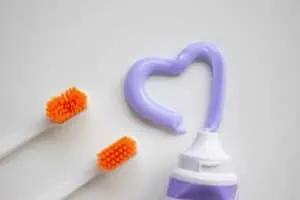 When it comes to teeth whitening, we’re constantly bombarded with advertisements for various products that promise to deliver dazzling results. One product that has garnered some attention in recent years is purple toothpaste. You may have heard claims that using purple toothpaste can whiten your teeth effectively, but is this fact or just another marketing myth? Join your dentist in Sparks as we share some facts and bust some myths about purple toothpaste.
Fact: Purple Toothpaste Contains Active Whitening Ingredients
One fact about purple toothpaste is that many brands often contain active ingredients known for their teeth-whitening properties. Three common ingredients found in these toothpaste formulations are hydrogen peroxide, baking soda, and activated charcoal.
Hydrogen Peroxide – This bleaching agent is found in many teeth whitening products, including those used by your dentist in Sparks. It works by breaking down stains on the enamel and can contribute to a whiter appearance.
Baking Soda – Baking soda has mild abrasive properties that can help remove surface stains from teeth. Its use in purple toothpaste is grounded in scientific evidence as it’s known to be effective as a stain remover.
Activated Charcoal – Activated charcoal can help remove some types of surface stains on teeth (extrinsic stains). However, stains that originate within teeth (intrinsic stains) probably won’t be affected by charcoal.
Myth: Purple Toothpaste Can Dramatically Whiten Teeth
While purple toothpaste may contain teeth-whitening ingredients, it’s essential to manage your expectations. The myth surrounding purple toothpaste lies in the belief that it can dramatically whiten teeth, rivaling professional treatments or over-the-counter whitening strips. In reality, the concentration of active ingredients in purple toothpaste is usually lower than that found in specialized teeth-whitening products, which limits their whitening potential.
Fact: Purple Toothpaste Can Help Maintain Whiteness
Another factual aspect of using purple toothpaste is its ability to help maintain tooth whiteness achieved through professional treatments or stronger over-the-counter products. Regular use of purple toothpaste may assist in preventing new stains from forming and contribute to maintaining a brighter smile.
Myth: Purple Toothpaste Is a Miracle Solution
Don’t fall for the myth or the dramatic videos on social media that show purple toothpaste is a miracle solution. Achieving a truly dazzling smile often requires a multifaceted approach that includes proper oral hygiene, regular dental check-ups, and, in some cases, professional teeth-whitening treatments. Relying solely on purple toothpaste to transform stained or discolored teeth is unrealistic.
Fact: Good Oral Hygiene Is Key
Regardless of the toothpaste color, the foundation for a white smile starts with excellent oral hygiene practices. Brushing your teeth twice a day, flossing daily, and avoiding stain-inducing foods and beverages are essential steps in maintaining a bright smile. Purple toothpaste can be a part of this routine if approved by your dentist in Sparks, but it shouldn’t replace the basics of good oral care.
Myth: Purple Toothpaste Is Suitable for Everyone
Another myth to dispel is that purple toothpaste is suitable for everyone. Some individuals may have underlying dental issues or sensitivity that could be exacerbated by certain toothpaste formulations, including purple ones. It’s essential to consult with your dentist before making any significant changes to your dental care routine, especially if you have concerns about tooth sensitivity or enamel erosion.
Even though purple toothpaste can certainly add an element of fun to your dental routine, it’s crucial to separate the facts from the myths when considering its effectiveness. While purple toothpaste can help maintain whiteness and remove surface stains, it’s not a miracle solution for achieving Hollywood-worthy teeth. Good oral hygiene practices and professional dental care remain fundamental to achieving and maintaining a dazzling smile.
 Cosmetic dentistry is a form of dental care that’s focused on not only improving the look of someone’s smile but also functionality. Cosmetic dentistry treatments can help teeth look whiter, straighter, or more balanced. Depending on your wants and needs, your dentist in Sprarks can find the best cosmetic dentistry treatment for you. Here’s a guide to help you decide if cosmetic dentistry is right for you and narrow down which treatment may help you achieve the results you want.
Teeth Whitening
One of the most popular, if not the most popular, forms of cosmetic dentistry, is smile whitening. Over the past couple of years, whitening your teeth has become easier than ever before as you can purchase over-the-counter whitening products whenever you want. However, your dentist in Sprarks wants you to know that not all whitening products will give you the results you’re looking for. In fact, some types of tooth stains can’t be removed by using whitening products alone. That’s why it’s always important to consult your dentist before you decide to try and whiten your smile on your own. This is the best way to make sure you’re finding the best way to whiten your teeth before you invest.
Dental Veneers
If you find out that your teeth can’t be brightened through teeth whitening treatments, another option that can be used to cover up the staining are dental veneers. Not only can veneers change the color of your teeth, they can also change the size, shape, or length of individual teeth and fill in small gaps. Veneers are applied after your dentist removes a small portion of the front tooth enamel, and they are customized in size, shape, and color to match the rest of your natural teeth.
Bonding
Dental bonding is a quick and easy form of cosmetic dentistry that can usually be finished in 30-60 minutes. Bonding can help restore the appearance of teeth that have decay, chips, cracks, or need a little reshaping. A tooth-colored resin is applied and molded into the ideal size and shape to give your smile a balanced look. It’s then hardened with a UV light, making it a sturdy restoration.
Dental Crowns
Dental crowns may often be considered a form of restorative dentistry, but they can also hold a cosmetic purpose. A crown, also known as a cap, covers a tooth in its entirety and can change the size, shape, or strength of a tooth. Crowns may also be used after a root canal in order to make the tooth stronger. Crowns are custom-created to blend seamlessly into a smile.
There’s no better time than the new year to create a new you, and with your dentist in Sprarks, you can do just that. If you’re looking for a way to be more confident in your smile, schedule an appointment or consultation today!
 The term cosmetic dentistry is commonly used to explain a vast array of cosmetic procedures offered by your dentist in Sparks. Cosmetic dentistry treatments vary from patient to patient, depending on each person’s goals and budget, and can fix anything from cracked or stained teeth to crooked or missing teeth. If you’re interested in learning about some of the most popular cosmetic dentistry procedures and what they can fix, keep reading!
Teeth Whitening
The quickest and easiest way to get a white smile is by whitening your teeth. The best part about whitening is that most procedures are quick, easy, and painless. However, there are several types of teeth whitening treatments available, and it’s important to choose the right one.
- Professional Whitening
Professional whitening is probably the best way to get a whiter smile fast. It’s also the safest as you’ll be under the supervision of your dentist in Sparks. It can be more expensive than over-the-counter options, but the results tend to happen faster and last longer.
- At-Home Whitening
You can also whiten your teeth by using products that you can buy at the store. Now, while these treatments can be effective, they may also cause some concerns. Since these solutions are not custom, some of the whitening solutions can touch your gums and cause damage. Also, if your teeth aren’t healthy enough for whitening, it can cause other problems.
Veneers
Dental veneers are one of the most versatile forms of cosmetic dentistry as they can help fix a variety of patient concerns. Veneers are thin shells of porcelain that are custom created to your ideal shade of white, shape, and size. They can be used for many different cases including:
- Covering discoloration that can’t be removed through whitening treatments
- Fix chips or cracks in teeth
- Fill in minor gaps
- Change the size or shape of teeth for a more even smile
Crowns
A dental crown is a cap-like structure that’s made from porcelain, ceramic, or other materials. Crowns are used to cover teeth that have been damaged by trauma or decay but can also be used to transform the appearance of the smile. A crown may be right for you if you have:
- Discolored teeth
- A misshapen tooth or teeth
- Gaps between teeth
Dental Implants
One of the most advanced forms of cosmetic dentistry your dentist in Sparks can offer is a dental implant. This treatment requires surgical placement of a titanium post in the jaw bone and a custom crown fitted on top. It’s the best way to replace a missing tooth and can really elevate a smile’s appearance. There are various types of dental implant treatments available depending on each patient’s needs.
- Single-tooth implant for those missing one or just a few teeth
- Multiple-tooth implants for patients who are missing several teeth
- Implant-retained dentures are best for people who are missing most or all of their teeth
As you can see, there are many forms of cosmetic dentistry that can help fix any number of dental concerns. If you want to learn more about cosmetic dentistry options that can transform your smile, schedule a consultation with a dentist near you.
 There are so many cosmetic dentistry options to help you achieve the smile you’ve always wanted, and it can be hard to know which treatment will give you the best results. Perhaps one of the most popular and versatile forms of cosmetic dentistry is dental veneers. These thin pieces of porcelain can transform any smile and are often a go-to solution for your dentist in Sparks.
Understanding Veneers
Dental veneers are custom-made shells, usually made of porcelain or plastic, that can be placed over your existing teeth. They are custom-created to match your ideal shade of white and the perfect size and shape. The veneer is bonded onto your teeth in order to strengthen them or change their appearance. Veneers can also be used to close up gaps between teeth. Dental veneers may help improve self-confidence by giving you a smile you love.
Pros of Veneers
Veneers are known for their ability to transform a smile, and they can give people a straighter, whiter smile. And they’re often one of the most affordable ways to makeover a smile. Better yet, veneers don’t take long to do. Your dentist in Sparks can typically complete a veneer treatment in as little as two visits. Dental veneers also don’t require much preparation. While your dentist will need to remove a little bit of tooth enamel to make room for a veneer, it’s only a thin layer. Sometimes, veneers can be an alternative to crowns, which often require a little more preparation.
Cons of Veneers
As with any type of dental or medical treatment, veneers may not be right for everyone and some people may experience some downsides including:
- Veneers are permanent.
- They can make teeth a bit more sensitive to heat and cold.
- While porcelain veneers are less susceptible to staining, composite veneers may stain.
- Veneers aren’t a solution for failing teeth. Talk with your dentist about other options such as crowns.
However, talking with your dentist in Sparks will help to better understand if any of these risks may apply to you. If so, don’t fret. There are plenty of alternative cosmetic dentistry options available.
The Truth About Snap-On Veneers
Lately, there’s been an increase in what we can buy online, including snap-on veneers. These are a temporary fix and will not permanently alter your smile. They can also be uncomfortable and cause other problems. If the snap-on veneers don’t fit well they can cause gum irritation and gum recession. Additionally, if they’re worn for long periods of time they can actually start to shift your teeth.
If you’ve been wanting a brighter, whiter, straighter smile, consider talking with your dentist about all of the cosmetic dentistry options available to you. Avoid trying a DYI approach to anything dental, including veneers, orthodontics, and even whitening. It’s always best to talk to a professional first.
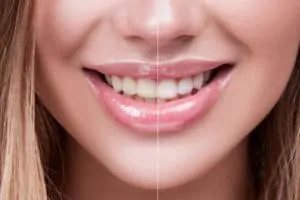 We’ve been programmed to believe that the whiter a smile is, the healthier it is. However, this isn’t always the case. In fact, your dentist in Sparks wants you to know that there is such a thing as a too-white smile, and a smile that’s over-bleached can actually lead to other oral health problems.
The Truth About Smile Whitening Treatments
Smile whitening is probably the most popular form of cosmetic dentistry done today. However, what was once only available at the dentist can now be done at home without any exam or assurance that the teeth are healthy enough. Additionally, even though over-the-counter whitening treatments can make it easier for people to whiten their teeth, it’s become increasingly popular and has created almost a whitening addiction. Both of which can cause some serious problems.
More Whitening, More Problems
Now, we should note that smile whitening can be done safely. However, there are issues when someone whose teeth aren’t healthy, or who thinks “the more whitening, the better” whitens their teeth that can cause things to take a turn for the worse.
Over-bleaching your teeth can wear down tooth enamel. Without this protective layer, teeth are put at increased risk for decay, cavities, and sensitivity. Additionally, if your teeth aren’t healthy to begin with, and let’s say you have a cavity, introducing bleaching ingredients can cause uncomfortable zings of pain through your teeth. And the problems don’t end there.
Many over-the-counter whitening treatments allow too much of the bleach to touch and sit on the gums which can cause gum irritation, sometimes severe. Lastly, too much whitening can actually make your teeth appear more translucent and darker in appearance, which is the opposite of what you want.
Safely Whiten Your Smile
The best way to get a whiter smile is to first start by talking to your dentist in Sparks. Not only can they help you find the best smile whitening treatment for you, but they can also help you find the best shade of white for your teeth for an overall natural, yet enhanced, look. Whichever smile whitening treatment you agree on, make sure you follow the directions to a “T,” especially if you’re going to use a take-home whitening product. Don’t leave the whitening gel on longer than recommended, and stop use if irritation or sensitivity occurs.
Even though smile whitening treatments can be found at any grocery store or even ordered online… it doesn’t mean that all of them are created equally. Make sure you do your own research, talk with your dentist in Sparks, and don’t overdo it.
 We all want to have a smile that we’re proud of and can feel confident about showing it off in pictures and in public. After all, your smile can say a lot about you. But what do you do if you’re unhappy with your teeth and shy away from sharing it with the world? Turn to your dentist in Sparks to see whether cosmetic dentistry may be the solution you’re looking for. Here is a great place to start.
Determine What You Want
Before you or your dentist will know whether cosmetic dentistry will give you the smile you want, you need to know what it is you’re trying to achieve. The more specific you can be about what you don’t like about your smile as well as what you wish was different, the more you’ll know about whether or not cosmetic dentistry is the right solution for you. Take these questions into consideration:
- Do I wish my teeth were whiter?
- Do I want a straighter, more even smile?
- Does this minor chip in my front tooth really bother me? Would I feel better if it was fixed?
Find the Best Cosmetic Dentist for You
Once you’ve narrowed down your list of desires, the fun part of finding the best dentist for you can begin. Although it may seem like a daunting task, it really doesn’t have to be. Check-in with family and friends to see if they have any recommendations or head online to search for local cosmetic dentists in your area. Read reviews, check out websites, and look at before and after photos. After you’ve decided on a dentist, schedule a consultation.
Know What Cosmetic Dentistry Treatments Are Out There
There are several treatments that all fall under the category of cosmetic dentistry, but not all of them are right for every situation. Let’s check out a few common treatments.
- Teeth Whitening – If you want to take your teeth from dull and discolored to bright and white, you may want to consider a professional smile whitening treatment. Whitening that’s done by your dentist in Sparks can boost your teeth up to several shades brighter in just one visit.
- Veneers – Like teeth whitening, veneers can help brighten the appearance of dull, discolored teeth that don’t respond to bleaching. Veneers essentially cover up the front surface of teeth with a thin piece of porcelain. They’re custom created in shape and color for a natural look so nobody will even know they’re there.
- Bonding – Dental bonding is another option that can correct discoloration but it can also fix minor chips, cracks, or gaps for a more even smile. The process involves both science and art to create a natural appearance but the results can transform a smile.
Nobody should have to live with a smile they’re unhappy with. Luckily, we have cosmetic dentistry to help. If you’re considering cosmetic dentistry, make a list of what you’d like to change, research cosmetic dentists in Sparks, and become familiar with which treatments can help you get the look you want. Finally, make the move and schedule a consultation. Your journey to a new smile is only a phone call away.
 In today’s digital age, we’re constantly exposed to products and DIY tips to do anything, including whitening your smile. While we understand that the desire to get a brighter grin is a very real thing for many of our patients, your dentist in Sparks wants to educate you on some of the dangers lurking behind some of the most popular DIY smile whitening trends.
Over-The-Counter Whitening Pens & Strips
There are so many over-the-counter whitening products available to us that it can be overwhelming. While many of these products can work to whiten your teeth, they don’t come without their risks. Whitening pens and whitening strips, for example, can temporarily transform your smile, but their results can oftentimes be less than ideal. Since neither whitening pens nor whitening strips are custom-made, there’s a greater chance that they won’t reach all areas of the teeth and the results can end up looking uneven or streaky. But there’s another reason your dentist in Sparks may be concerned with you using these treatments. Many times the whitening solution in whitening pens and strips can soak into your gum tissue and cause irritation.
All-Natural Smile Whitening
A popular smile whitening trend that seems to be taking the internet by storm is the use of all-natural whitening remedies. Don’t let the term “all-natural” lead you into thinking that all of these solutions are safe and recommended. The truth is, there is danger behind some of the popular all-natural whitening tricks.
Lemon Juice
We’ve seen an increase in people claiming that there are smile whitening benefits of applying lemon juice or a mixture of lemon juice and other natural ingredients directly to teeth. While it’s true that lemon juice may slightly whiten teeth temporarily, it’s not recommended. Lemon juice is highly acidic and acid is a big no-no when it comes to protecting the integrity of tooth enamel. Too much acid, especially when it’s applied directly onto teeth, can easily damage tooth enamel and lead to increased tooth sensitivity, and a higher risk for decay and cavities.
Baking Soda
Another popular all-natural smile whitening trend that’s been around for quite some time is baking soda. Again, like lemon juice, baking soda or toothpastes that contain baking soda may temporarily whiten teeth, but due to its abrasive nature it can also damage tooth enamel. Once tooth enamel is gone, there’s no way to get it back and teeth are left exposed to bad bacteria and are at risk for larger oral health concerns long-term.
Activated Charcoal
Yet another all-natural whitening treatment is activated charcoal. Supporters of activated charcoal promise that it will easily and effectively pull impurities and stains out of the teeth, resulting in a whiter appearance. However, charcoal is also abrasive and poses the same risks as baking soda. It can wear away and damage tooth enamel, increasing the risk of cavities. What’s more is that teeth may begin to appear more discolored as we lose enamel.
Just because there are many ways you can whiten your teeth on your own – it doesn’t necessarily mean you should utilize them. Before you consider a DIY approach to smile whitening, talk with your dentist in Sparks to better understand safe and effective options.
 August 21st is Senior Citizens Day, and there’s no better way for our dental office in Sparks to celebrate than by sharing some oral health information for the favorite senior citizens we have in our lives and their families.
The truth is, our oral health needs will vary as we celebrate more birthdays, and needs will also differ from person to person. That’s one reason we believe in treating each person with individualized, custom care. When it comes to the senior population, there are a few unique things to be aware of.
- Discolored Teeth – While anyone can experience discolored teeth, there’s usually an explanation. Maybe morning coffee is to blame, or perhaps smoking or red wine. But when it comes to seniors, discoloration may occur without any obvious explanation. Most commonly, tooth discoloration as we age is a typical sign that the white outer layer of our teeth (enamel) is wearing away and becoming thinner. When this happens, your teeth can become a little transparent and the inner workings of the tooth become more visible. As it turns out, the insides of teeth are not as white as the outsides, and the more we’re able to see them, the more dark or yellow teeth can appear.
- Dry Mouth – Dry mouth is another condition that can happen to anyone, but it does tend to be more common in seniors. Many times, medication is to blame. There are tons of over-the-counter medications and prescription medications that list dry mouth as a side effect. When these medications are taken regularly, saliva production slows down and the mouth becomes dry… and there is nothing bacteria like better than a dry mouth. Without saliva on hand to rinse away bacteria and neutralize acid, teeth are at an increased risk for developing cavities. If these cavities aren’t treated, they could lead to the need for a root canal, cause tooth sensitivity, or even tooth loss. If you’re experiencing dry mouth, do not stop taking your medication as prescribed, but do talk to your dentist in Sparks.
- Tooth Loss – Let’s start by saying that there’s no guarantee that we’ll lose our teeth as we get older. There are plenty of people who keep their teeth for a lifetime, especially if they see their dentist regularly and practice good oral hygiene habits. However, tooth loss can be a real concern for many people. The best ways to reduce the risk of tooth loss is to avoid smoking or using tobacco, limiting alcohol intake, and seeing your dentist in Sparks every six months. These preventative dental appointments help identify problems early while they’re still often easily treatable and can help save your teeth.
- Gum Disease – One of the more serious concerns for seniors’ oral health is gum disease. In fact, research suggests a strong link between gum disease and Alzheimer’s disease, heart disease, and stroke. Gum disease occurs when bacteria isn’t removed and it works its way under the gum line. Once this occurs, it becomes difficult to remove and can lead to an infection or advanced gum disease. If not treated, gum disease can lead to tooth loss. The common signs of gum disease include red, bleeding, and inflamed gums.
Unfortunately, there’s no way we can stop ourselves from getting older. But there are things we can do to help protect our teeth for life. Always brush twice a day and floss once a day, and get a professional dental cleaning and check-up at least twice a year. If you’re overdue for your dental appointment, we welcome you to call our Sparks dental office to schedule a visit with us today.
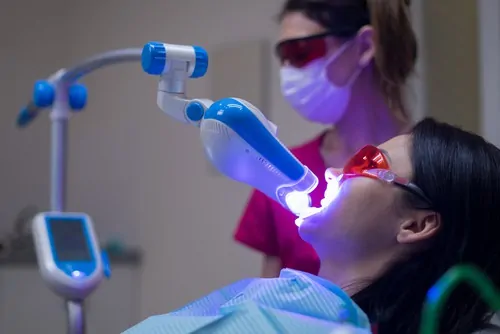 There are a number of things that can stain our teeth and make them look dull and discolored. When this happens, we tend to look for ways to bring back our bright, white smiles. At our dental office in Sparks, we have some good news — there are many ways to whiten your teeth! Let’s take a look at some of the most common things you can do to get a whiter smile.
Professional Teeth Whitening
The best way to whiten your smile fast is to get professional whitening from your dentist in Sparks. Even though this option is more costly than many over-the-counter tooth whitening products, you can customize just how white you want your teeth to get and see the results immediately. Many times dental offices can also provide you with custom trays and whitening gel that you can use at home safely to maintain your new look.
DIY Smile Whitening
If you’re looking for ways to whiten your teeth, you may begin by exploring all of the options in your local grocery store or online. While there are tons of over-the-counter smile whitening products available, and they can be cheaper than a professional whitening, they do come with some risks. For example, you may be using a solution that’s too high for your teeth that could cause sensitivity and pain. Additionally, whitening strips and non-custom trays can allow the solution to seep into your gums. If left too long it can cause gum damage. Lastly, over-the-counter tooth whitening products tend to take longer to work.
Cosmetic Dentistry
If traditional forms of smile whitening just aren’t making your teeth as white as you’d like, you may be a candidate for cosmetic dentistry. The truth is, there are some types of tooth staining that don’t respond to whitening gels. In this case, the best solution may be dental veneers. Dental veneers essentially cover up the front of your natural teeth with a custom-made slice of porcelain. These veneers can be your ideal shade of white and are shaped to blend in with your other natural teeth.
It’s important to note that you should talk to your dentist before beginning any whitening treatment. Not all whitening solutions are appropriate for everyone. To find the best option for you and to reduce the risk of negative side effects, meet with your dentist.
If you’re unhappy with the color of your teeth, call our Sparks dental office to schedule an appointment today. We’ll talk with you about what you’d like to change as well as your oral health history so we can recommend the best tooth whitening treatment for you.