
Dental Implants
When it comes to replacing missing teeth, few treatments are as reliable and transformative as dental implants. They not only restore your smile but also help preserve jawbone health and provide unmatched stability compared to dentures or bridges. Still, many patients in Sparks feel uncertain about what the process actually involves. They want to know how long it takes, what happens during each step, and what to expect afterward.
At Pyramid Family Dental, we understand that this uncertainty can feel intimidating. That’s why we believe in educating patients thoroughly before beginning treatment. The dental implant procedure is carefully structured, step by step, to maximize safety, comfort, and long-term success. Whether you need to replace a single tooth or multiple teeth, the process follows a clear roadmap.
In this guide, we’ll walk through each stage in detail—from your first consultation to the final crown—so you can feel confident about starting your implant journey in Sparks.
Consultation and Treatment Planning in Sparks
The first step in the dental implant process is the consultation. This is more than a brief conversation; it’s a comprehensive evaluation designed to ensure implants are the right choice for you. At Pyramid Family Dental in Sparks, we take time during this appointment to gather the information we need to design a custom treatment plan.
What to expect during your consultation:
- Digital X-rays and CBCT scans: These advanced images let us see your jawbone in three dimensions. This is crucial for identifying bone density, mapping nerve pathways, and planning the precise placement of the implant posts.
- Medical history review: Because overall health plays such a large role in healing, we’ll review conditions such as diabetes, heart disease, or osteoporosis, as well as any medications you take. This ensures your plan is safe and appropriate.
- Oral exam: We’ll check the condition of your gums, existing teeth, and bite alignment. Healthy gums and strong bone are key for implant stability.
- Treatment discussion: Finally, we’ll explain your options, the anticipated timeline, and costs. If extra procedures like bone grafting are recommended, you’ll know upfront.
This stage sets the foundation for success. By the end of the consultation, you’ll have a clear understanding of your individualized plan and what to expect next.
Tooth Extraction Before Implants in Sparks
Not every dental implant patient requires a tooth extraction, but many do. A tooth may be too damaged, decayed, or infected to save, and removing it is often the first step toward a healthier smile. At Pyramid Family Dental, tooth extractions are performed with great care to minimize discomfort and preserve as much healthy bone as possible.
Key points about extraction before implants:
- Timing: In some cases, we can place the implant immediately after extraction. In others, we allow a healing period of a few weeks or months to let the bone recover. The decision depends on bone quality and whether infection is present.
- Comfort measures: Local anesthesia ensures the procedure is painless. For patients who feel nervous, sedation options are available for added relaxation.
- Healing: After extraction, the site needs time to stabilize before an implant can be placed. Healing times vary, but most patients in Sparks recover quickly with proper aftercare.
Removing a failing tooth may feel like a setback, but it’s actually the first step toward a healthier, stronger restoration with implants.
Placing the Dental Implant Post in Sparks
The implant post is the foundation of your new tooth. It’s a small titanium screw surgically placed into the jawbone to act as a replacement root. This stage is often the one patients feel most nervous about, but at Pyramid Family Dental in Sparks, it’s a routine procedure with predictable results.
What happens during implant placement:
- Local anesthesia: Your mouth is thoroughly numbed so you won’t feel pain.
- Gum access: A small incision is made to expose the bone.
- Implant insertion: Using precise measurements from your CBCT scan, the titanium post is placed securely in the bone.
- Closing the site: The gum tissue is stitched around or over the implant.
The entire surgery for a single implant usually takes about one to two hours.
How long does dental implant surgery take in Sparks?
On average, one implant takes between 60 and 120 minutes. Multiple implants may take longer. Patients often find that the procedure is smoother and more comfortable than they expected.
After placement, mild soreness is normal, but most people resume daily activities quickly.
Healing and Osseointegration Timeline in Sparks
After the dental implant is placed, healing begins. This stage is crucial because it allows osseointegration—the process where the jawbone fuses with the titanium post. Without this step, the implant would not be stable enough to support a crown.
What to know about healing:
- Timeline: Osseointegration typically takes 3–6 months, depending on your health and bone quality.
- Daily life: During this time, you can eat, speak, and live normally, though you’ll need to avoid excessive pressure on the healing site.
- Why it matters: This step transforms the implant into a permanent, stable part of your jaw.
What does osseointegration feel like?
You won’t feel the bone fusing itself, but you may notice your bite feeling slightly different as the implant settles. Most patients describe it as an uneventful healing period with minimal discomfort.
Attaching the Abutment and Final Crown in Sparks
Once osseointegration is complete, the next step is attaching the abutment. This small connector links the implant post to the crown.
- Abutment placement: A minor procedure exposes the implant and secures the abutment. Healing from this takes about two weeks.
- Crown design: Impressions or digital scans are taken to design your crown. The crown is customized for color, shape, and size to match your natural teeth.
- Final restoration: The crown is attached, completing the process.
Patients at Pyramid Family Dental often remark that this stage is the most exciting, as it’s when they finally see their full smile restored.
FAQs About the Implant Procedure in Sparks
Is implant surgery painful?
With anesthesia, patients feel no pain during surgery. Post-procedure discomfort is usually mild and managed with over-the-counter medication.
How many visits are needed?
Typically, three to five visits are required: consultation, surgery, follow-ups, and crown placement.
Can all implants be placed in one day?
Some patients qualify for immediate or same-day implants, but this depends on bone quality and overall health. Not all cases are suitable.
How long do implants last?
With proper care, implants can last decades—often a lifetime. Regular checkups at Pyramid Family Dental ensure long-term success.
Are dental implants safe for older patients?
Yes. Age alone is not a limiting factor. As long as overall health and bone density are sufficient, implants are safe and effective for seniors in Sparks.
Start Your Implant Journey in Sparks Today
The dental implant process may seem complex, but when broken down into steps, it becomes clear and manageable. From consultation and planning to final restoration, every stage is designed to maximize comfort, safety, and success.
At Pyramid Family Dental in Sparks, we take pride in guiding our patients through this journey with care and precision. If you’re ready to restore your smile with a solution that looks, feels, and functions like natural teeth, dental implants are the gold standard.
Don’t wait to begin your journey. Call Pyramid Family Dental today to schedule your consultation and take the first step toward a stronger, healthier, and more confident smile.
When you choose dental implants to replace missing teeth, you’re investing in a solution designed to last a lifetime. Understandably, one of the most common questions we hear at Pyramid Family Dental in Sparks is: What does recovery look like?
The good news is that implant recovery follows a predictable timeline. While every patient is different, the healing phases are well understood and carefully monitored to ensure your comfort and long-term success. Knowing what to expect after surgery helps reduce anxiety, makes recovery easier, and gives you confidence in your treatment journey.
In this guide, we’ll outline the typical phases of dental implant recovery—from the first 48 hours to the final crown placement—so you’ll know exactly what’s ahead.
The First 48 Hours After Dental Implant Surgery in Sparks
The first two days after implant surgery are when your body begins its healing response. At Pyramid Family Dental, we prepare Sparks patients with detailed aftercare instructions so this stage goes smoothly.
What you can expect in the first 48 hours:
- Swelling: It’s normal for the gums and face to swell slightly. Cold compresses help reduce inflammation. Swelling usually peaks at 48 hours and then subsides.
- Discomfort: Mild soreness is common. Most patients manage this with over-the-counter pain relievers. Prescription options are available if needed.
- Soft diet: Foods like yogurt, applesauce, mashed potatoes, and smoothies are recommended. Avoid chewing directly on the implant site.
- Rest: Light activity is fine, but avoid strenuous exercise or heavy lifting during this initial period.
By following your dentist’s instructions closely, most patients find that the first 48 hours are manageable and less intimidating than they expected.
Week 1–2: Healing and Adjustment in Sparks
The first two weeks after implant placement are when most patients settle back into their normal routine. At Pyramid Family Dental, we monitor this stage carefully with follow-up visits to make sure everything is healing as expected.
During week 1–2, you can expect:
- Stitches: If stitches were placed, they may dissolve on their own or be removed at a follow-up.Decreasing discomfort: Soreness and swelling should steadily decrease. By the end of the first week, many patients feel little to no discomfort at all.
- Return to routine: Most people can resume work, social activities, and gentle exercise within a few days.
- Follow-up appointment: We’ll check your healing, adjust any medications, and review oral hygiene practices.
Can I go back to work a few days after implant surgery in Sparks?
Yes. Many patients in Sparks return to work within two to three days after surgery, depending on the number of implants placed and the type of job they have. Those with physically demanding jobs may need a little more time before resuming full duties.
Osseointegration Phase (3–6 Months) for Sparks Patients
After the initial healing, the longer but most crucial phase begins: osseointegration. This is when your jawbone fuses directly with the implant post, creating a stable foundation for the final crown.
What to know about osseointegration:
- Timeline: This stage typically lasts 3–6 months, depending on your health and bone density.
- Why it matters: Without osseointegration, the implant would not be secure enough to support a crown. It’s the biological process that makes implants uniquely effective.
- What it feels like: Patients don’t feel the fusion happening, but they may notice their bite adjusting slightly as healing progresses.
- Checkups: During this period, we’ll schedule follow-ups to confirm stability and monitor your gums.
Although this stage requires patience, it’s also the reason dental implants in Sparks are considered the gold standard for tooth replacement.
Final Crown Placement and Full Recovery in Sparks
Once osseointegration is complete, the exciting final stage begins. At Pyramid Family Dental, we’ll uncover the implant, attach the abutment (a connector piece), and then place your custom-made crown.
What happens during this stage:
- Abutment placement: This minor procedure exposes the implant so the abutment can be secured. Healing from this takes about two weeks.
- Crown fabrication: Your crown is designed to match the color, shape, and size of your natural teeth. Advanced materials like porcelain or zirconia ensure strength and aesthetics.
- Final placement: The crown is attached, completing the process.
From here, your implant is fully functional, allowing you to chew, smile, and speak with confidence. Patients often describe this stage as life-changing because it restores not just their smile, but their quality of life.
Tips for a Smooth Recovery in Sparks
Every recovery can be optimized with good habits. At Pyramid Family Dental, we coach Sparks patients on steps to make healing easier and more successful.
Tips include:
- Maintain oral hygiene: Brush gently around the surgical site and use antimicrobial rinses if recommended. Good hygiene prevents infection.
- Follow a healing diet: Stick to softer foods initially. Avoid sticky, crunchy, or chewy foods that could stress the implant.
- Avoid smoking: Nicotine restricts blood flow, slowing healing and raising the risk of implant failure.
- Limit alcohol: Alcohol can interfere with medications and slow recovery.
- Attend follow-ups: Regular visits allow us to monitor healing and catch any issues early.
What foods should I avoid after implants in Sparks?
Avoid hard foods like nuts, chips, and raw vegetables during the initial healing period. Sticky foods like caramel or chewing gum should also be avoided, as they can put pressure on the implant.
How do I know if my implant is healing correctly?
Signs of healthy healing include decreasing pain, minimal swelling, and gums that look pink and firm. If you notice severe pain, prolonged bleeding, or implant mobility, contact Pyramid Family Dental in Sparks right away.
FAQs About Implant Recovery in Sparks
How long does soreness last after implants?
Most soreness resolves within a few days to a week. Over-the-counter pain relievers are usually enough to manage discomfort.
Can I exercise during recovery?
Light activity is fine after the first 48 hours, but strenuous exercise should be avoided for about a week. Always follow your dentist’s specific advice.
Do implants always heal successfully?
Implant success rates are very high—over 95% nationwide. At Pyramid Family Dental, careful planning and advanced technology make success rates even higher for our Sparks patients.
Can multiple implants heal at the same time?
Yes. Whether you receive one implant or several, the healing process is similar, though recovery may take slightly longer for full-arch restorations.
What if my implant feels loose during recovery?
An implant should never feel mobile after the initial healing. If you notice movement, contact your dentist immediately so the site can be evaluated.
Get Recovery Support from Sparks Implant Experts
The dental implant recovery process may take several months from start to finish, but each stage is predictable, manageable, and designed for long-term success. By understanding the timeline, following aftercare instructions, and staying in touch with your dentist, you can enjoy a smooth recovery and lasting results.
At Pyramid Family Dental in Sparks, we’ve guided countless patients through this process with expertise and care. From the first 48 hours to the moment your crown is placed, we’ll be here to answer questions, monitor your healing, and support your journey every step of the way.
If you’re ready to explore dental implants as a permanent tooth replacement option, schedule your consultation today. Let our Sparks implant experts help you restore your smile and enjoy the confidence that comes with a healthy, lasting solution.
Tooth loss is more than a cosmetic issue. It sets off a chain reaction in your mouth that affects your health, your appearance, and your confidence. One of the biggest hidden consequences of losing a tooth is bone loss in the jaw. Without a tooth root to stimulate the bone, the body begins breaking it down, leading to shrinking gums, shifting teeth, and even changes in your facial shape.
Fortunately, there’s one tooth replacement option that doesn’t just restore your smile but also protects your jawbone: dental implants. At Pyramid Family Dental in Sparks, we often explain to patients that implants are the only solution that replaces both the tooth and the root. This makes all the difference in keeping your bone strong and healthy.
In this blog, we’ll walk through why bone loss happens, how implants stop it, and what this means for your long-term oral health. We’ll also compare implants to dentures and bridges, answer common questions, and explain why implants are such a powerful investment in your smile.
Why Bone Loss Happens After Tooth Loss in Sparks Patients
Most people don’t realize that their jawbone depends on teeth for stimulation. Each time you chew, the tooth root presses into the bone, keeping it strong and dense. When a tooth is lost, the bone in that area no longer receives stimulation, and your body begins a process called resorption.
Resorption means the bone is broken down and minerals are reabsorbed into the body for use elsewhere. This isn’t a bad thing biologically; it’s your body’s way of recycling resources. In your mouth, however, it can create serious problems.
Patients in Sparks who experience bone loss after tooth loss may notice:
- Shrinking gums around the missing tooth area.
- Shifting teeth as neighboring teeth move into the gap.
- Changes in bite that make chewing less effective.
- Facial sagging, giving the appearance of early aging.
At Pyramid Family Dental, we see patients who lost teeth years ago and are surprised by how much their facial profile or bite has changed. Bone loss is gradual, but it becomes noticeable over time—and the sooner it’s addressed, the better your outcome.
How Dental Implants Preserve Jawbone Health in Sparks
Dental implants are unique because they don’t just replace the visible crown of a tooth—they also replace the root. This is accomplished through a small titanium post that is surgically placed into the jawbone. Over time, the bone fuses with the implant through a process called osseointegration, creating a stable foundation that mimics a natural root.
What is osseointegration and why does it matter?
Osseointegration is the medical term for the way bone tissue bonds to the implant surface. This fusion is what makes implants so reliable. Once the implant integrates, it acts just like a natural root, transmitting chewing forces into the jawbone. Without osseointegration, the implant would not be secure.
At Pyramid Family Dental, we use advanced imaging to place implants precisely, which helps ensure successful osseointegration. Our patients in Sparks often find it fascinating that their body’s natural healing response is what makes implants work so effectively.
How chewing pressure helps bone stay strong
Every time you chew, bite, or even clench your teeth, you’re giving your jawbone a “workout.” This stimulation signals your body to maintain bone density in that area. With dentures or bridges, this stimulation doesn’t reach the bone—but with implants, it does. That’s why implants are considered the gold standard for preventing bone loss.
Long-Term Benefits of Preventing Bone Loss in Sparks
Stopping bone loss isn’t just about preserving oral health—it has wide-reaching benefits that impact your overall quality of life. Here’s what patients at Pyramid Family Dental can expect when implants are placed to protect bone:
- Preserved facial shape: Bone loss around the mouth leads to a sunken, aged appearance. Implants keep your bone intact, helping you look younger longer.
- Stable bite: With bone support maintained, your bite stays balanced and strong. This makes it easier to chew foods like steak, apples, or corn on the cob.
- Prevention of shifting teeth: When bone is lost, neighboring teeth often drift into the gap. Implants keep spacing intact, protecting your natural teeth.
- Improved speech: With stable teeth supported by healthy bone, speech remains clear.
- Confidence: Knowing your smile is supported both above and below the gumline makes patients feel more comfortable in both social and professional settings.
Many of our Sparks patients who choose implants say they didn’t realize how important bone preservation was until we explained it. Once they understand, they see implants as more than just a replacement tooth—they see them as an investment in long-term health.
Why Dentures and Bridges Don’t Stop Bone Loss in Sparks
Dentures and bridges are traditional solutions for missing teeth, but they don’t prevent bone loss the way implants do. That’s because neither treatment replaces the root of the tooth.
Can dentures cause bone loss over time?
Yes. Dentures sit on top of the gums and don’t stimulate the bone underneath. In fact, ill-fitting dentures can actually accelerate bone loss by applying uneven pressure on the gums. Many patients in Sparks find that over time their dentures become loose—not because the dentures changed, but because their bone shrank underneath.
Do bridges help bone health?
No. Bridges fill a gap by anchoring to the teeth on either side, but they don’t extend into the jawbone. The bone where the missing tooth was will still resorb. While bridges restore function and aesthetics, they don’t provide the bone-preserving benefits of implants.
This is one of the reasons Pyramid Family Dental often recommends implants to patients in Sparks who want a truly long-term solution.
FAQs About Bone Loss and Implants in Sparks
How soon does bone loss start after losing a tooth?
Bone loss can begin within the first six months after extraction, and it continues gradually over the years. This is why Pyramid Family Dental often encourages patients in Sparks to consider implants sooner rather than later.
Can implants reverse bone loss?
Implants themselves don’t “grow back” bone that’s already lost, but they stop further loss by reintroducing stimulation. In cases of significant loss, bone grafting may be performed first to rebuild the foundation so implants can be placed successfully.
Do all implant patients need bone grafting?
Not all. Many patients in Sparks have enough bone for implants without grafting. However, if bone has already deteriorated, a graft may be necessary. At Pyramid Family Dental, we use detailed CBCT scans to determine whether grafting is needed before moving forward.
Protect Your Smile with Implants in Sparks
Tooth loss sets off a silent process of bone resorption that can affect your smile, your bite, and even your appearance. Fortunately, dental implants provide a proven way to stop this process and keep your jawbone strong for life.
At Pyramid Family Dental in Sparks, we’ve helped countless patients not only restore their smiles but also preserve their bone health with implants. By choosing implants, you’re choosing stability, confidence, and protection against the long-term effects of bone loss.
If you’re ready to protect your smile and your oral health, schedule a dental implant consultation with Pyramid Family Dental today. Together, we’ll create a personalized plan to restore your teeth and preserve your jawbone for years to come.
If you’ve been considering ways to restore your smile after tooth loss, chances are you’ve thought about dental implants. At Pyramid Family Dental in Sparks, we see more and more patients each year who want to know if implants are right for them. And it’s no surprise—implants are widely regarded as the gold standard in tooth replacement, offering stability, comfort, and a natural look that other options simply can’t match.
But here’s the catch: not everyone is an immediate candidate for implants. Certain health factors, lifestyle habits, and oral conditions play an important role in determining whether implants will succeed long term. That doesn’t mean you won’t qualify; it simply means you need the right evaluation and sometimes additional treatments to prepare your mouth for implants.
In this guide, we’ll explain everything you need to know about candidacy for dental implants in Sparks. We’ll cover the ideal conditions, the health concerns that might affect your eligibility, the importance of gum and bone health, lifestyle factors, and what the evaluation process looks like here at Pyramid Family Dental. By the end, you’ll have a clear picture of whether implants could be in your future.
What Makes a Good Candidate for Dental Implants in Sparks?
Generally speaking, good candidates for dental implants are healthy adults who have lost one or more teeth and want a long-term solution. At Pyramid Family Dental, we look for a few key qualities when determining whether someone in Sparks is ready for implants:
- Healthy gums: Implants need strong gum tissue to heal and stabilize. Untreated gum disease can compromise implant success.
- Adequate bone density: The implant posts are placed directly into your jawbone, so the bone must be thick and strong enough to anchor them.
- Overall health: Certain chronic conditions can slow healing, so good general health is important.
- Commitment to oral care: Brushing, flossing, and regular dental checkups are critical for keeping implants healthy long term.
- Age: Adults of nearly any age can qualify for implants. As long as growth is complete (usually by late teens), there is no strict upper age limit.
In Sparks, many patients who assume they don’t qualify are pleasantly surprised once we take a closer look. With today’s advanced techniques, even patients who lack bone or have had gum issues in the past often still become good candidates once the right preparatory steps are taken.
Health Conditions That Affect Eligibility in Sparks
Your overall medical health is just as important as your oral health when it comes to dental implants. At Pyramid Family Dental, we always review your health history during your consultation to make sure implants are a safe and reliable choice for you.
Conditions we take into account include:
- Diabetes: Uncontrolled diabetes can interfere with healing, but well-managed diabetes often doesn’t pose a problem.
- Osteoporosis: Because implants rely on bone for support, patients with advanced osteoporosis may need bone grafting.
- Heart disease: Certain heart conditions may require coordination with your physician before surgery.
- Gum disease: Active periodontal disease must be treated before implants can be placed.
Can people with diabetes get dental implants in Sparks?
Yes, but only if your diabetes is under control. At Pyramid Family Dental, we work closely with patients and their physicians to make sure blood sugar is well managed before implant surgery. Controlled diabetes does not rule out implants, but it does make diligent aftercare even more important.
Do blood thinners prevent implant surgery?
Not necessarily. Many patients in Sparks take blood thinners for heart or vascular health. While these medications can increase bleeding risk, we coordinate with your doctor to adjust your care plan safely. In most cases, blood thinners don’t disqualify you from implants, they just mean extra precautions during the procedure.
Jawbone and Gum Health Requirements in Sparks
Strong gums and bone are essential to support dental implants. If gum disease has caused tissue loss or if missing teeth have led to bone shrinkage, implants can still be possible; you may simply need preparatory treatments.
What if I don’t have enough bone for implants in Sparks?
Bone grafting is a common solution. At Pyramid Family Dental, we can build up the jawbone using grafting material so the implant has a secure foundation. This process adds time to your overall treatment plan but dramatically improves long-term success.
How do dentists measure bone density before implants?
We use CBCT (cone beam computed tomography) scans at Pyramid Family Dental. This advanced imaging allows us to see a 3D view of your jawbone, measure thickness and density, and plan implant placement with pinpoint accuracy. For patients in Sparks, this means no guesswork, only precision.
Lifestyle Factors That Influence Implant Success in Sparks
Your daily habits also play a role in how well dental implants heal and last. At Pyramid Family Dental, we talk with our Sparks patients about:
- Smoking: Nicotine restricts blood flow, making healing slower and implant success rates lower.
- Alcohol use: Excessive drinking can interfere with healing and bone integration.
- Oral hygiene: Good brushing, flossing, and dental visits are crucial.
- Diet: Nutritious foods that promote healing (lean proteins, leafy greens, etc.) can support recovery.
Can smokers get dental implants in Sparks?
Smokers can still get implants, but quitting, even temporarily, greatly increases success rates. At Pyramid Family Dental, we strongly encourage our patients to reduce or stop smoking before implant surgery to give their new smile the best chance to thrive.
How important is oral hygiene for implants?
It’s critical. Implants are cavity-proof, but the surrounding gum tissue is not. In Sparks, we see that patients who stick to regular cleanings and home care enjoy decades of success with their implants, while neglecting hygiene can lead to implant failure.
How Sparks Dentists Evaluate Implant Candidates
Wondering what the evaluation process looks like? At Pyramid Family Dental, we make it as straightforward and comfortable as possible.
- Consultation: We start by discussing your goals and reviewing your medical and dental history.
- Comprehensive exam: We’ll check your gums, teeth, and bite.
- CBCT scan: This 3D imaging helps us measure bone density and plan treatment.
- Treatment planning: If additional care (like gum therapy or bone grafting) is needed, we’ll explain it step by step.
- Personalized plan: Every patient in Sparks gets a custom implant plan that fits their health, timeline, and budget.
FAQs About Implant Candidacy in Sparks
Is there an age limit for dental implants in Sparks?
No. Whether you’re 20 or 80, implants can be an option as long as your health and bone structure allow. At Pyramid Family Dental, we’ve helped patients of all ages in Sparks restore their smiles.
Can denture wearers switch to implants?
Absolutely. Many patients in Sparks who are tired of loose dentures transition to implant-supported dentures or full-arch implants. This provides better stability, chewing power, and confidence.
How long after extraction can I get implants in Sparks?
It depends on your bone and gum health. Some patients qualify for immediate implants right after extraction. Others may need a few months of healing first. At Pyramid Family Dental, we’ll let you know the best timing for your unique case.
Book a Dental Implant Consultation in Sparks
If you’ve been wondering whether you’re a candidate for dental implants, the best next step is to sit down with a dentist who can evaluate your specific situation. At Pyramid Family Dental in Sparks, we’ve helped countless patients regain their smiles with implants, even when they thought it wasn’t possible.
Every patient is different, but one thing remains the same: dental implants have the power to transform your oral health, your confidence, and your quality of life.
Don’t wait to find out if you qualify. Schedule your implant consultation with Pyramid Family Dental today and take the first step toward a smile you’ll love for a lifetime.
When it comes to replacing missing teeth, many patients ask about the pros and cons of dentures vs implants. At our Sparks dental office, we often help patients compare these two popular tooth replacement options to find the right fit for their lifestyle, oral health, and budget. This guide breaks down the advantages and limitations of each solution, so you can make an informed choice based on comfort, durability, maintenance, and cost. If you’re exploring missing teeth solutions in Sparks, keep reading to learn which path might be right for you.
What Are Dentures?
Dentures are removable dental appliances used to replace multiple or all missing teeth. They are a non-surgical and budget-friendly solution, making them ideal for patients experiencing extensive tooth loss or those who are looking for faster, more affordable care. At Pyramid Family Dental, we offer both full and partial dentures in Sparks to suit a variety of needs.
Full Dentures – Replacing All Teeth
Full dentures are used for patients who are missing all of their teeth in the upper or lower arch. These complete sets rest on the gums and are designed for comfort, function, and aesthetics.
- Fit is customized for each arch
- Helps restore facial structure
- Improves ability to chew and speak
If you’re considering complete dentures in Sparks, this option provides a practical and cost-effective way to restore your smile.
Partial Dentures – For Patients Missing a Few Teeth
Partial dentures are designed for patients who still have some natural teeth remaining. They typically consist of a metal or acrylic framework that anchors to your remaining teeth, filling in the gaps.
- Ideal when some natural teeth are still healthy
- May be made from metal, flexible plastic, or acrylic
- Blend with surrounding teeth for a more natural appearance
At our office, we provide partial dentures in Sparks that are both functional and aesthetically pleasing.
Pros & Limitations of Dentures
Pros:
- More affordable than implants
- Non-invasive and accessible for most patients
- Easy to maintain with regular cleaning
Cons:
- May shift during eating or speaking
- Less natural feel than implants
- Can contribute to jawbone shrinkage over time
Do dentures feel natural? Modern designs improve aesthetics, but some patients report a bulky sensation at first. It’s also important to understand the relationship between dentures and jawbone shrinkage, as wearing removable dentures without stimulation to the jawbone can accelerate bone loss over time. Understanding the pros and cons of dentures helps set realistic expectations.
What Are Dental Implants?
Dental implants in Sparks are permanent prosthetics that are surgically anchored into the jawbone. Known for their long-term reliability and natural appearance, they’ve become a leading solution for permanent tooth replacement in Sparks.
How Dental Implants Work
Dental implants consist of:
- A titanium post inserted into the jawbone
- An abutment that connects the post to the crown
- A custom crown that mimics the natural tooth
The implant undergoes osseointegration, a healing process where the bone fuses to the post, providing unmatched stability.
From consultation to final placement, the process typically takes several months, but the result is a lasting and lifelike restoration.
Implant Options at Pyramid Family Dental
We provide a full range of dental implant options in Sparks:
- Single-tooth implants for individual tooth loss
- Implant-supported bridges for multiple missing teeth
- Implant-supported dentures for full-arch solutions
As a permanent tooth replacement in Sparks, dentures offer greater security than traditional removable ones.
Pros & Limitations of Dental Implants
Pros:
- Permanent, with proper care
- Preserves jawbone density and facial structure
- Mimics natural teeth
Cons:
- Higher upfront cost
- Requires surgical procedure and healing time
Patients often ask, are implants worth the cost? The answer depends on your goals, but the benefits of implants over dentures include a more natural look, better stability, and long-term preservation of jaw health. In fact, many patients specifically ask, do implants prevent bone loss? Yes, because they fuse directly with the jawbone, dental implants help maintain bone density and prevent the shrinkage often seen with traditional dentures.
Dentures vs Implants: Key Differences for Sparks Patients
Choosing between dentures and implants depends on your comfort needs, lifestyle, and oral health.
Stability and Functionality
- Implants: Fused to bone, no shifting or movement when chewing
- Dentures: Can shift, especially lower arch; adhesives may be needed
Appearance and Comfort
- Implants: Look and feel like natural teeth
- Dentures: Modern materials improve appearance, but they may feel bulky
Maintenance Requirements
- Implants: Brush and floss like natural teeth
- Dentures: Must be removed daily, soaked, and cleaned
Understanding the differences in maintaining dentures vs implants helps patients decide what fits their routine best.
Jawbone Health and Longevity
- Implants: Stimulate jawbone and prevent deterioration
- Dentures: Do not prevent bone loss; may accelerate shrinkage
If you’re wondering, “Do implants help bone health?” the answer is yes, they are among the most long-lasting tooth replacement options available.
Cost Comparison: Dentures vs Implants in Sparks
Cost is often a key deciding factor for patients choosing between the two.
Average Cost of Dentures in Sparks
- Full Dentures: $1,000–$3,000 per arch
- Partial Dentures: $700–$2,500
We offer affordable dentures in Sparks and accept most dental insurance plans. Flexible financing may also be available.
Average Cost of Dental Implants in Sparks
- Single Tooth: $3,000–$6,000 (includes post, abutment, crown)
- Implant Bridges or Dentures: $6,000–$25,000+
Want to know more about implant cost per tooth in Sparks? We’re happy to provide a personalized estimate during your consultation.
Long-Term Value Considerations
- Dentures may need to be replaced every 5–8 years
- Implants can last 15+ years with proper care
While implants cost more upfront, the cost-effectiveness of implants increases over time due to fewer replacements and long-term health benefits.
Who Is a Better Candidate for Each Option?
Not every solution works for every patient. Here’s how to assess what might be right for you.
Ideal Candidates for Dentures
- Older adults with multiple missing teeth
- Patients seeking a quicker, more affordable solution
- Those who are not candidates for surgery
Ideal Candidates for Dental Implants
- Healthy bone density in the jaw
- Non-smokers or those willing to quit
- Patients seeking a permanent solution
Medical Conditions and Other Factors
- Certain conditions (e.g., diabetes, osteoporosis) can affect healing
- Smoking can delay or prevent implant integration
- Medications may influence bone health and recovery time
A personalized evaluation at our Sparks office will help determine if you’re a candidate for dentures or dental implants in Sparks.
Frequently Asked Questions (FAQs)
Are dentures covered by insurance in Sparks?
Most dental insurance plans cover part or all of the cost of dentures. Check with your provider or ask our team to help you verify coverage.
Can you get dental implants if you’ve had dentures?
Yes! Many patients transition from dentures to implants. Your jawbone health will be assessed to determine implant suitability.
What is the most comfortable tooth replacement option?
Many patients find implants to be the most comfortable because they feel and function like real teeth. However, well-fitted dentures can also be quite comfortable.
Are there payment plans for dental implants at Pyramid Family Dental?
Yes, we offer third-party financing and flexible payment options to make dental implants in Sparks more accessible.
Choosing the Right Tooth Replacement in Sparks
Both dentures and implants offer effective solutions for missing teeth, but the right choice depends on your oral health, goals, and lifestyle. Dentures provide a quick, affordable fix, while implants offer permanent, long-term benefits.
Still unsure which solution is right for you? Book a consultation at our Sparks office to explore whether dentures or implants are the best fit for your smile and lifestyle.

What are Dentures?
Dentures are a tooth replacement treatment option that has been around for quite some time but has been improved upon as technology advanced. Dentures can either replace all of your natural teeth or even only a series of missing teeth (called a partial denture). They are removable, non-permanent prosthetics that are custom-created to fit in your mouth and appear like natural teeth.
Pros of Dentures
There are several benefits of dentures, including:
- More affordable than dental implants
- Can be good for those who just had their teeth removed and who want time for their mouth to heal before dental implant surgery
- There’s no surgery involved
- Dentures or partial dentures can be modified if more teeth are lost later in life
Cons of Dentures
As with anything, your dentist in Sparks also wants you to be aware that dentures can also come with a few cons such as:
- They may not look as natural as dental implants
- They have to be removed, cleaned, and stored properly every night
- They require adhesive to stay in place which can get costly over time
- They can slip while eating and talking which can be uncomfortable
- They may not allow you to eat all the foods you want to eat such as corn, apples, or things with tiny seeds
- They can increase the likelihood of gum disease if they aren’t cleaned properly or if food gets trapped
- They’re very delicate and can break easily and require a brand new prosthetic
- Partials can weaken the teeth supporting it leading to additional problems
What are Dental Implants?
Like dentures, dental implants can also replace either one missing tooth or an entire mouth of missing teeth. But unlike dentures, dental implants are permanent, and instead of sitting on top of the jaw bone, dental implants are secured into the jaw bone. Dental implant treatment starts with a titanium post being placed into the jaw bone where it will act as your tooth root. As it heals, your bone will actually grow around the post, securely locking it into place. Afterward, an abutment is added to the post, and a brand new crown custom-created by your dentist in Sparks is placed on top. Now, if you’re missing more than one tooth, a few posts may be implanted into your bone then a full set of brand new teeth will be permanently secured to them, giving you a brand new look.
Pros of Dental Implants
Dental implants can be the best and longest lasting tooth replacement for you and can also provide some of the following benefits.
- Dental implants tend to be more comfortable than dentures
- You can eat what you want with dental implants
- They don’t affect speech
- They don’t require daily removal and reinsertion
- You can care for them just like your natural teeth
- Dental implants can last for decades with proper care
- They can reduce the risk of additional oral health problems
Cons of Dental Implants
Even though dental implants may appear to be all positive, there are a few cons as well.
- Dental implants are more expensive than dentures
- They do require surgery
- Not everyone is a candidate for implants
If you’re tired of living your life with missing teeth, call your dentist in Sparks and schedule a consultation. Together, you can find the best way to replace your teeth and begin treatment so you can start smiling fully again.
What is a Dental Implant
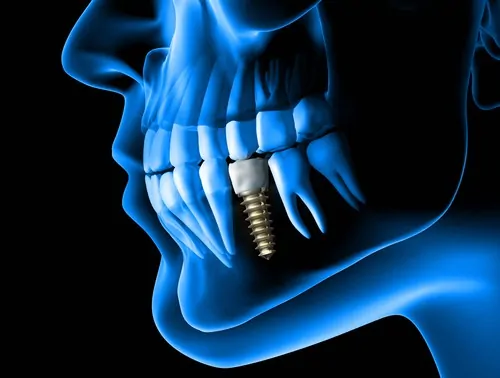
A dental implant, or even multiple implants, is a superior way to restore your smile and give you a permanent replacement for your tooth. They are usually preferred over a dental bridge or dentures because the implant itself essentially replaces the entire tooth’s structure, not simply the crown. This helps restore your mouth to full function, and oftentimes, you won’t even be able to tell you were ever missing a tooth. In short, dental implants create a natural feel that can last a lifetime.
Benefits of a Dental Implant
We already know that a dental implant can give us back full functionality of our smiles, but there are many other upsides to this tooth replacement option such as:
- Improved appearance and speech. Since dental implants replace the tooth’s natural root system and the post is integrated into the bone, dental implants continue to provide stimulation to the bone. This can help reduce the look of wrinkles and lower your risk of bone loss in the jaw. And since an implant functions very much like a natural tooth, you’re able to speak clearly and do not have to deal with any annoying slippage that can often occur with dentures.
- Easier eating. One common complaint of denture wearers is that they can’t eat what they want when they want to. Dental implants eliminate that restriction and leaves people free to enjoy the foods they love the most. There is no worry of a denture slipping or food stuck getting under one. Overall, those with dental implants can eat without worry.
- Enhanced oral health. Another difference between a dental implant and its denture counterpart is that a dental implant is a permanent structure. This means there’s no need for overnight soaking or the extra cleaning that comes with a removable denture. You can care for a dental implant just as if it’s your natural tooth.
What to Expect During an Implant Procedure
The first step in determining whether a dental implant is right for you is to schedule a consultation with your dentist in Sparks. This visit will allow your dental team to exam your specific situation and determine if an implant is the best tooth-replacement option. If it is, your team will review the treatment plan and schedule the procedure. The procedure itself is pretty easy and consists of a few parts:
- Place the post. Your dentist and your team will insert a titanium post into your jaw bone. While it may sound scary, the procedure itself is mild to moderately painful.
- Healing time. After the post is implanted, you will be fitted with a temporary crown while your bone integrates into the post, building you a super-strong foundation.
- Add the abutment. Once the post is sturdy and healing time is complete, your dentist will custom make you a permanent crown that will be affixed to the post.
Overall, getting a dental implant is an easy and straightforward treatment that can bring your smile back to life.
If you’re missing a tooth or are at risk for losing teeth, give our Sparks dental office a call to schedule an appointment today. We’ll be happy to identify the best treatment option for you and your individual situation.