New Patient // 775-204-1050 Current Patient // 775-331-4456

Restorative Dentistry

When it comes to replacing missing teeth, two of the most common options patients consider are dental implants vs dentures in Sparks. Both restore your ability to smile and eat comfortably—but they differ significantly in longevity, comfort, and long-term value.

At Pyramid Family Dental, we understand how important it is to make an informed decision about your smile. This guide offers a side-by-side comparison to help you clearly see the pros, cons, and long-term benefits of each option—so you can choose the treatment that best fits your goals, lifestyle, and budget.

Cost Comparison of Implants vs. Dentures in Sparks

When choosing between dental implants and dentures, cost is often one of the biggest deciding factors. Dentures may seem more affordable upfront, but dental implants typically deliver a better long-term value.

In the Sparks area, traditional dentures can range from $1,000 to $3,000 per arch, depending on materials and customization. They’re a more budget-friendly short-term option, but they usually need replacement every 5 to 8 years. Over time, those replacement and maintenance costs can add up.

By comparison, dental implants generally cost between $3,000 and $6,000 per tooth—a higher initial investment, but one that’s designed to last decades. Because implants fuse with the jawbone, they help prevent bone loss and preserve facial structure, often saving patients from additional restorative work later in life.

At Pyramid Family Dental, we often remind patients that implants are a lifetime investment—not just in your smile, but in your long-term health and confidence. Our team will walk you through each option’s true cost over time, so you can make the choice that best fits your goals and budget.

Disclaimer: Dental implant and denture pricing can vary based on individual treatment needs, materials, and insurance coverage. The estimates provided here are general ranges and may differ depending on your personalized treatment plan.

Comfort and Everyday Function in Sparks

Beyond cost, one of the biggest differences between dental implants vs dentures in Sparks lies in how they feel and function day to day. Comfort, stability, and confidence all play a major role in your quality of life—and that’s where dental implants truly stand out.

Dental implants are anchored securely in the jawbone, creating the same kind of stability as natural tooth roots. They don’t slip or shift, which means you can eat, laugh, and speak freely without worry. Over time, most patients completely forget they even have implants—they simply feel like their own teeth.

Dentures, on the other hand, rest on top of the gums and rely on suction or adhesive for support. Even well-fitted dentures can occasionally move when you chew or speak, which may take some getting used to. Regular adjustments are often needed to maintain comfort and function as your jaw shape changes over time.

Do implants feel like natural teeth in Sparks?

Yes—dental implants look, feel, and function almost exactly like natural teeth. Because they’re anchored directly into your bone, they provide unmatched stability and bite strength. At Pyramid Family Dental in Sparks, our patients often say they can’t tell the difference between their implants and natural teeth once healing is complete.

Do dentures affect speech or eating comfort?

They can, especially at first. Dentures can sometimes make it harder to pronounce certain words or enjoy tougher foods like apples, steak, or crusty bread. With time and adjustments, most patients adapt—but dentures rarely restore full chewing power.

Dental implants, by comparison, restore about 90–100% of natural bite force, allowing you to enjoy your favorite foods with confidence. If comfort, function, and stability are top priorities, implants are often the preferred long-term solution.

Maintenance and Longevity for Sparks Patients

When comparing dental implants vs. dentures, it’s important to consider not just how they look and feel now—but how well they’ll hold up over time. For patients in Sparks, understanding the maintenance and longevity of each option helps you plan for lasting comfort and value.

Dental Implants: Built to Last

With proper care, dental implants can last decades—and often a lifetime. They’re cared for just like natural teeth: daily brushing and flossing, along with regular professional cleanings at Pyramid Family Dental. Because implants are made of durable materials such as titanium and porcelain, they don’t decay or require periodic relining.

While the crown (the visible part) may eventually need replacement after 10–15 years due to normal wear, the implant itself can remain securely in place for life with good oral hygiene and routine checkups.

Dentures: Regular Maintenance Required

Dentures, in contrast, typically need to be replaced or relined every 5 to 8 years. The fit may loosen over time as your jawbone naturally changes shape, leading to discomfort or slippage. Daily cleaning and soaking are essential to prevent staining, odors, and bacterial buildup.

Even with consistent maintenance, dentures generally have a shorter lifespan and require more frequent adjustments and repairs than implants.

At Pyramid Family Dental in Sparks, we’ll guide you through proper care for whichever solution you choose—and help ensure your restoration stays comfortable, functional, and beautiful for years to come.

Health and Aesthetic Differences in Sparks

When deciding between dental implants and dentures, it’s important to think beyond replacement and consider how each option affects your overall health and appearance. At Pyramid Family Dental in Sparks, we want patients to feel confident in both the function and the look of their smile for years to come.

Bone Health and Jaw Support

One of the biggest differences between implants and dentures is how they interact with your jawbone. Dental implants help preserve bone density by stimulating the jaw just like a natural tooth root. This prevents the bone from shrinking over time and helps maintain your facial structure.

Dentures, on the other hand, rest on top of the gums without that bone stimulation. Over the years, this can lead to bone loss and subtle changes in your facial appearance—such as a sunken or aged look around the mouth and jawline.

Facial Support and Aesthetics

Because implants integrate with the bone, they provide a stable foundation that supports your natural facial contours. The result is a fuller, more youthful appearance and a balanced profile. Dentures can restore your smile’s appearance too, but as the jaw changes, they may eventually need relining or replacement to maintain fit and facial support.

Smile Confidence

For many patients, the biggest benefit of dental implants is the confidence that comes from a natural-looking, worry-free smile. Implants look and feel completely authentic—no slipping, clicking, or adhesives required. Dentures can still provide a beautiful result, but they may require a period of adjustment and careful maintenance to keep them looking and feeling their best.

At Pyramid Family Dental, our Sparks team helps patients choose the option that best supports both their health and their confidence—because your smile should look as strong as it feels.

FAQs About Implants vs. Dentures in Sparks

Are implants always better than dentures?

Not necessarily—the best option depends on your individual needs and goals. Dental implants offer superior stability, comfort, and long-term bone preservation, but they also require healthy gums and sufficient bone for placement.

Dentures remain a reliable and cost-effective solution for patients who may not be candidates for implants due to bone loss, medical conditions, or budget limitations. At Pyramid Family Dental in Sparks, we’ll evaluate your oral health and help you decide which treatment aligns best with your lifestyle and priorities.

How fast can dentures be made compared to implants?

Dentures can typically be made much faster than dental implants. In some cases, a full set of dentures can be completed within a few weeks, depending on the lab and the number of fittings required.

Dental implants, on the other hand, are a multi-step process that can take several months from start to finish. This includes healing time for the implant to integrate with your bone before the final crown or restoration is attached. While implants take longer to complete, they offer unmatched durability and comfort once in place.

When are dentures still a better choice in Sparks?

Dentures may be the better choice for patients who are missing multiple teeth and want a quicker, more affordable solution. They’re also ideal for those who may not have the bone density needed for implants or prefer a non-surgical approach.

Compare Your Tooth Replacement Options in Sparks

Choosing between dental implants and dentures is a personal decision—one that depends on your goals, health, and budget. At Pyramid Family Dental in Sparks, our team is here to help you make that choice with confidence.

We take the time to listen to your concerns, explain each option in detail, and create a treatment plan that supports your long-term comfort and oral health. Whether you’re leaning toward dental implants for lasting stability or dentures for quick, affordable restoration, we’ll guide you every step of the way.

If you’re ready to explore your options and see which solution fits you best, schedule a consultation at Pyramid Family Dental in Sparks today. Together, we’ll restore your smile—and your confidence—with care that lasts.

Silver fillings, also known as dental amalgam, are a durable mix of metals used for decades to restore decayed teeth. Commonly placed in the 1980s to 1990s, these fillings are made from a blend of silver, tin, copper, and mercury. While they were once the standard choice for cavity treatment, many residents in Sparks are now opting to replace them due to visible wear, concerns about mercury content, and cosmetic preferences.

If you’ve had silver fillings for more than a decade, it may be time to assess their condition. Over time, they can crack, leak, or become loose, leading to further dental issues if left untreated. In this guide, our team at Pyramid Family Dental explains how to recognize signs that your silver fillings may be failing, what to expect when replacing them, and why more patients are choosing modern alternatives. Whether your concerns are health-related or cosmetic, this blog will help you make an informed decision about your dental care.

Warning Signs Your Silver Fillings May Be Failing

Silver filling failure occurs when your dental restoration shows physical or visual deterioration. Our dentist in Sparks often sees patients with old amalgam fillings that have become damaged or ineffective over time. Knowing the early warning signs can help you prevent further complications.

How do I know if my silver filling is failing?

Several symptoms may signal that your silver filling is starting to break down:

These issues usually develop as the filling shrinks, cracks, or separates from the tooth structure, allowing bacteria to enter and cause damage beneath the surface.

What does a cracked silver filling look like?

Visual cracks can appear in aging fillings and should never be ignored. Here’s what to watch for:

Cracks can compromise the seal between the filling and the tooth, letting bacteria in and increasing your risk of decay or infection.

What happens when a silver filling leaks?

Leaking fillings can lead to subtle but harmful changes in your mouth. You might notice:

Leakage allows bacteria and saliva to seep under the filling, often causing decay beneath the restoration that isn’t visible until it becomes severe.

What does it mean when a silver filling falls out?

If your filling has come loose or fallen out entirely, immediate dental attention is necessary. Here’s why:

Our dentist uses clear dental reasoning, explaining that many physical failures of silver fillings result from years of chewing pressure, temperature changes, or enamel breakdown. If any of these warning signs appear, it’s wise to seek a Sparks dental evaluation as soon as possible.

Age Factors That Affect Longevity

Silver fillings generally have a long lifespan, but like any dental material, they don’t last forever. At our Sparks dental office, we often evaluate silver fillings that have been in place for 15 years or more. Over time, they can weaken or wear down due to everyday use.

How long do silver dental fillings last?

Most silver (amalgam) fillings last between 10 to 15 years. However, some may remain intact even longer with excellent oral hygiene and minimal chewing pressure on the treated tooth. That said, longevity varies based on several factors:

Even if your silver fillings seem fine on the surface, hidden cracks or underlying damage can go unnoticed. That’s why regular dental checkups are essential to assess their condition and determine if replacement is needed.

Health Considerations for Older Silver Fillings

Concerns about the safety of silver (amalgam) fillings often lead patients to consider replacement, especially when the restorations are over a decade old. In Sparks, our dental office receives frequent questions about mercury exposure and whether old filling problems can affect overall health. It’s important to separate myths from facts and understand when replacement is medically appropriate.

Are silver dental fillings dangerous?

When intact, silver fillings are considered safe by major health organizations. The American Dental Association (ADA) and the U.S. Food and Drug Administration (FDA) state that amalgam is stable and effective. However, damage or deterioration may increase exposure to mercury vapor, particularly during chewing or teeth grinding.

For patients with concerns, our team offers trusted family dentistry services with composite materials that eliminate the need for metal restorations entirely.

Do silver dental fillings contain mercury, and should you be concerned?

Yes, traditional amalgam is made of about 50% elemental mercury, mixed with other metals to form a durable compound. Over time, chewing can release small amounts of mercury vapor. While current science indicates this is generally safe at low levels, cumulative exposure and aging restorations can raise concern.

Some patients choose to replace silver fillings with modern alternatives simply for peace of mind. If you’re unsure whether your old fillings are still safe, our dentist in Sparks can assess them and explain your options clearly.

Aesthetic Impact of Silver vs White Fillings

Silver fillings, while strong and functional, can be highly visible, especially when placed in front-facing teeth or near the gumline. Many patients at our Sparks dental office seek mercury filling replacement not only for health concerns but also to improve their smile’s appearance. White composite fillings offer a more discreet alternative that blends naturally with surrounding teeth.

Should I replace silver fillings with composite for cosmetic reasons?

Yes, many patients do. Composite fillings are tooth-colored and nearly invisible, making them ideal for visible areas of the mouth. If you have old fillings that darken your smile or make you self-conscious, replacement can provide a significant aesthetic boost. Common reasons patients opt for cosmetic replacement include:

In addition to appearance, composite bonding for cosmetic enhancement and replacement of old silver fillings can support long-term oral health by sealing teeth more tightly and reducing stress on surrounding enamel.

Can a dentist replace silver fillings with white ones in Sparks?

Yes, and the process is straightforward. Our Sparks dental office regularly performs amalgam replacement procedures, starting with a consultation to evaluate the condition of your existing fillings. If removal is appropriate, your dentist will:

Many patients also explore restorative options like metal-free composite fillings that match your natural tooth color, which offer strength and aesthetics in one solution. Whether you’re replacing one filling or multiple, Pyramid Family Dental provides customized treatment options based on your smile goals.

Professional Assessment and Next Steps in Sparks

Replacing silver fillings isn’t always necessary, but when problems arise or cosmetic preferences change, a dental evaluation can help you decide. At Pyramid Family Dental in Sparks, our dentist assesses each case individually, considering the age, appearance, and condition of your current restorations.

Will dental insurance cover replacing silver fillings in Sparks?

In many cases, yes, if the replacement is considered medically necessary. Insurance providers are more likely to approve coverage when:

If the replacement is done solely for cosmetic reasons, coverage may be limited. Our team will help you navigate your benefits and explain what’s included in your plan before proceeding.

Is replacing silver fillings worth it? 

It can be, especially if you’re experiencing common amalgam replacement signs like sensitivity, dark edges, or loose fillings. Patients often choose replacement to address:

For patients with multiple failing restorations, we may recommend full mouth reconstruction and restorative dentistry solutions that rebuild structure and improve aesthetics.

How much does it cost to replace silver fillings in Sparks?

The cost varies based on several factors, including:

Every case is different, so we recommend booking a consultation at our Sparks office to receive a personalized treatment plan and clear financial breakdown.

FAQs About Silver Fillings

Is it better to remove silver fillings?

It depends on their condition. If you have old filling problems such as cracks, decay, or cosmetic concerns, removal and replacement may be appropriate. Functional, intact fillings without symptoms may not need to be removed.

Can old silver fillings cause bad breath?

Yes. If a silver filling is leaking, cracked, or hiding decay, it can trap bacteria and cause an unpleasant odor. A dental exam can determine whether the filling is contributing to bad breath.

Should I replace my silver filling with a white filling?

Many patients choose to replace amalgam with tooth-colored composite for cosmetic or health-related reasons. If the filling is visible or showing signs of wear, replacing it with a composite filling may be a worthwhile option.

Ready to Replace Silver Fillings? Here’s Your Next Step

Silver fillings don’t last forever. Over time, they may crack, leak, or become loose, leading to discomfort, decay, or cosmetic concerns. Whether you’re noticing amalgam replacement signs or simply want a more natural-looking smile, replacement could improve both your oral health and confidence.

At Pyramid Family Dental in Sparks, we help patients understand whether their silver fillings are still safe or if an updated solution is recommended. From composite restorations to full mouth reconstruction, we provide personalized options tailored to your needs.

If you’re unsure about the condition of your silver fillings, book a dental consultation in Sparks today and take the first step toward a healthier, brighter smile.

As a dentist here in Sparks, one of the most common questions I hear from patients considering a dental bridge is: How long will it last?” That’s a great question and one worth answering fully. A dental bridge is an investment in your smile, and knowing what to expect can help you make the best long-term decision for your oral health. 

At Pyramid Family Dental, we believe in transparency and patient education. In this guide, I’ll walk you through how long dental bridges typically last, what affects their longevity, and what you can do to keep yours in excellent shape. Whether you’re weighing your options or already have a bridge in place, I hope this expert guide helps you feel more confident about your dental care. 

How long do dental bridges usually last?

Most dental bridges last 5 to 15 years, but with excellent care, many of my patients here in Sparks have kept theirs for even longer. On average, you can expect your bridge to function reliably for at least a decade before it may need replacement or repair. 

There are a few factors that influence this range:

At our Sparks practice, we work closely with each patient to select the right type of bridge based on their lifestyle, bite strength, and goals, as choosing the right material from the start makes a significant difference. 

What affects how long a dental bridge lasts?

The lifespan of a dental bridge depends on factors like the material used, placement quality, and, most importantly, how well you care for it through daily oral hygiene and regular dental visits.

Does your oral hygiene routine make a difference?

Absolutely. One of the most important things I tell my patients in Sparks is that oral hygiene can make or break your bridge’s longevity. A dental bridge doesn’t just sit on your gums; it’s supported by natural teeth or implants, and those need to stay healthy. 

If plaque builds up around the supporting teeth (called abutments), it can lead to gum disease or decay under the bridge, causing it to fail prematurely. That’s why I always recommend: 

Consistent hygiene keeps both your natural teeth and the bridge structure strong. 

Do the materials used in a dental bridge matter?

Yes, and this is something I help patients decide during their consultation at Pyramid Family Dental. The type of material used directly impacts how long your bridge will hold up:

Each material has trade-offs, and the right one depends on your bite, cosmetic goals, and where the bridge is placed.

Can your daily habits impact the durability of a bridge?

Yes, lifestyle choices play a major role. Even the most well-made dental bridge can wear out faster if it’s exposed to unnecessary strain. Here are a few habits to avoid:

For patients with bruxism, I often recommend a custom nightguard to protect the bridge and surrounding teeth. It’s a small investment that goes a long way.

How can I make my dental bridge last longer?

Caring for a dental bridge is a bit more involved than caring for natural teeth alone, but it’s very doable and well worth the effort. I always remind my Sparks patients that their bridge can only last as long as the foundation it rests on. That means keeping the surrounding teeth and gums healthy is essential.

Here are my top care tips:

We provide all our bridge patients with customized cleaning tips based on their unique bridge type and placement. A few minutes of extra care each day can add years to your bridge’s life.

How often should a dental bridge be replaced?

There’s no one-size-fits-all answer, but most dental bridges eventually need replacement between 10 to 15 years after placement. That said, I’ve had patients whose bridges have lasted well over 20 years with proper care.

You may need to replace your bridge if:

Routine checkups in Sparks are the best way to spot early signs of wear or failure. In many cases, we can repair or re-cement the bridge before full replacement is needed. Early intervention makes a big difference, and we always aim to preserve your dental investment as long as possible.

Do dental implants last longer than bridges?

Many of my patients in Sparks ask whether dental implants last longer than bridges, and the short answer is yes, they usually do. A well-placed implant can last 20 years or more, and in many cases, even a lifetime with good oral hygiene.

Here’s a quick comparison:

Feature Dental Bridge Dental Implant
Average Lifespan 5–15 years 20+ years
Requires Support Teeth? Yes (abutment teeth) No – placed directly into the jawbone
Affects Neighboring Teeth? Yes – may require reshaping No impact on nearby teeth
Bone Preservation No Yes – helps prevent bone loss
Cost Lower upfront cost Higher initial cost, longer-term value

That said, bridges still have important benefits. They’re a great option for patients who aren’t candidates for implants due to bone loss, medical conditions, or cost concerns. Plus, they can be placed more quickly than implants, which often require several months of healing time.

At Pyramid Family Dental, I help patients carefully weigh these options. If you’re looking for the longest-lasting solution and are a good candidate, I often recommend dental implants. However, if speed, affordability, or anatomical limitations are a factor, a high-quality bridge remains an excellent choice.

If you’re unsure which is right for you, we’re happy to evaluate your smile and walk you through both options.

When should I replace my dental bridge?

While dental bridges are designed to last for many years, they don’t last forever. If you’ve had a bridge for a while, it’s important to watch for signs that it may need repair or replacement. Some of the most common red flags I see in my Sparks patients include:

If you notice any of these issues, schedule an appointment right away. In many cases, we can repair or re-cement a bridge before it fully fails. Ignoring early symptoms can lead to more complex and costly treatments down the road.

At Pyramid Family Dental, we always check the integrity of your bridge during routine cleanings, and we’ll let you know if it’s time to consider replacement.

How much does it cost to replace a dental bridge?

The cost of replacing a dental bridge can vary depending on several factors:

In general, the cost to replace a dental bridge ranges from $1,500 to $5,000 or more. If additional treatments like crowns, root canals, or implant placements are needed, that cost may increase.

We always provide a clear, upfront treatment plan before proceeding, and we’ll review what your insurance may cover. Our team in Sparks works hard to help patients maximize their benefits and access affordable care.

Learn more about our bridges, crowns, and dentures services.

Common Questions About Dental Bridge Lifespan and Cost

How much for a 2-tooth bridge?

A two-unit dental bridge typically costs $2,000 to $4,500, depending on the materials used and whether it’s supported by natural teeth or implants. In our Sparks office, we provide a detailed cost breakdown before any treatment begins.

Are dental bridges worth it?

Yes, dental bridges are a reliable and cost-effective way to restore your smile and chewing function. For many patients, especially those who aren’t candidates for implants, a bridge is a worthwhile investment that can last over a decade with proper care.

How expensive is a bridge?

The price of a dental bridge usually ranges from $1,500 to $5,000, depending on the number of missing teeth, the type of bridge, and your insurance coverage. We help Sparks patients understand all their options and financing choices before treatment starts.

What is the cheapest dental bridge?

Removable bridges, sometimes called flippers, are generally the most affordable type. They cost between $300 and $1,000, but they’re best suited for temporary or short-term use and are not as durable as fixed bridges.

How long does a dental bridge last?

On average, a dental bridge lasts 5 to 15 years, though some can last even longer with excellent care and regular dental checkups. The key to longevity is keeping your teeth and gums healthy and avoiding habits that strain the bridge.

How to Get a Long-Lasting Dental Bridge in Sparks

If you’re considering a dental bridge or already have one, knowing how to care for it and when to replace it can help protect your investment and your oral health. As we’ve covered, most dental bridges last 5 to 15 years, but with the right habits and materials, they can last even longer.

The key factors that affect longevity include:

At Pyramid Family Dental, here in Sparks, we don’t believe in one-size-fits-all solutions. I work closely with each patient to determine the best treatment based on their goals, lifestyle, and dental health. Whether you’re deciding between a bridge and an implant or just want to make sure your current bridge lasts as long as possible, we’re here to guide you.

Schedule a Bridge Consultation in Sparks Today

If you’re ready to explore your options or want to make sure your dental bridge is holding up well, schedule a consultation with our team at Pyramid Family Dental in Sparks. We’ll help you protect your smile for years to come with honest recommendations, high-quality care, and the personal attention you deserve.

As a dentist practicing in Sparks, I often discuss dental crown cost without insurance with my patients. I understand that cost considerations play a significant role in dental treatment decisions, and I believe in providing transparent information about pricing and payment options.

The dental crown cost without insurance typically ranges from $800 to $1,700 per crown in our area. This variation reflects several important factors including the materials used, the complexity of the procedure, and the location of the affected tooth. In Sparks, we strive to provide competitive pricing while maintaining the highest standards of care.

Material selection significantly impacts the crown tooth price. Porcelain crowns generally cost more than metal alternatives, but they offer superior aesthetics that my patients prefer, especially for visible teeth. All-ceramic crowns provide excellent durability and natural appearance, though they represent the higher end of the price spectrum. Metal alloy crowns, while less expensive, are incredibly durable and might be recommended by some practices for back teeth where aesthetics are less crucial.

When considering dental crown cost without insurance, it’s important to understand that the price includes multiple components. The total cost encompasses the crown itself, the procedure, any necessary preparations like build-ups or posts, temporary crowns, and the expertise of the dental team. At our dental office in Sparks, we ensure every aspect of your treatment meets our exacting standards.

Payment Options and Insurance Considerations

Many patients are concerned about managing dental crown cost without insurance coverage, but various payment solutions are available. Our office works with several financing companies that offer flexible payment plans, allowing you to spread the cost over time. These plans often feature low or zero interest rates for qualified patients, making affordable dental crowns more accessible.

While we’re discussing dental crown cost without insurance, it’s worth noting that if you do have insurance, coverage typically ranges from 50% to 80% of the total cost after meeting your deductible. However, many plans have annual maximums that might limit coverage. Our experienced team can help you understand your insurance benefits and maximize your coverage.

The Long-term Value Proposition

When evaluating the cost of a dental crown without insurance, consider the long-term value. A well-maintained crown can last 15 years or more, making it a worthwhile investment in your oral health. The crown tooth price includes not just the restoration itself, but also the prevention of future dental problems that could be more costly to address.

At our Sparks dental practice, we’ve seen how timely crown placement can prevent the need for more extensive treatments like root canals or extractions. While the initial dental crown cost without insurance might seem significant, the alternative of delaying treatment often leads to more expensive procedures down the road.

Making Dental Crowns More Affordable

If you do have insurance coverage, your plan should likely reimburse you for what is considered the “customary and reasonable” fee for a dental crown in Sparks, though that fee is typically based on a metal crown, or porcelain fused to metal crown, which is not as aesthetic an option. You would be responsible only for the difference between our fee and what your insurance will cover. 

We offer various payment programs to help patients manage dental crown costs without insurance. These include third-party financing options through respected healthcare credit providers, allowing you to receive treatment immediately while paying over time. 

Prevention and Maintenance

The best way to manage dental crown cost without insurance is to protect your investment through proper maintenance. Regular check-ups and excellent oral hygiene can extend the life of your crown significantly. During your visits to our Sparks restorative dentistry practice, we’ll monitor your crown’s condition and address any issues before they become major problems.

Making Your Decision

As your dentist in Sparks, I encourage you to consider all aspects of dental crown cost without insurance, including long-term benefits, available payment options, and the importance of timely treatment. Our team at Pyramid Family Dental is committed to helping you find the most cost-effective solution for your dental needs while ensuring the highest quality care.

Contact our office today at 775-331-4456 to schedule a consultation. We’ll provide a detailed treatment plan, including exact costs and payment options tailored to your situation. Let us help you achieve optimal oral health with a solution that fits your budget. Remember, investing in your oral health today can prevent more costly procedures in the future.

Our commitment to transparent pricing and flexible payment options makes quality dental care accessible to our community. Don’t let concerns about dental crown cost without insurance prevent you from getting the treatment you need. Together, we’ll find a solution that works for your oral health needs and your financial situation.


Dentures are a fantastic solution for restoring your smile and maintaining the functionality of your mouth. However, like natural teeth, they require proper care and maintenance. By taking care of your dentures, you can ensure they last longer and stay comfortable. This guide will cover the essential steps for keeping your dentures in tip-top shape.

Cleaning Your Dentures

Proper cleaning is crucial for the longevity and hygiene of your dentures. Here are some steps to follow:

Always rinse your dentures with water after eating to remove any food particles.

Use a soft-bristled brush designed for dentures to clean them daily. Avoid using regular toothpaste as it can be too abrasive.

Keep your dentures in a denture-cleaning solution or water overnight to maintain their shape and cleanliness.

Hot water can warp your dentures. Use lukewarm or cold water for rinsing and soaking.

Handling Your Dentures

Dentures can be delicate, so handling them with care is essential. 

Always hold your dentures securely when handling them to avoid accidental drops.

When cleaning or handling your dentures, do it over a towel or a sink filled with water to prevent damage just in case they fall.

When not wearing your dentures, store them in a denture case filled with water or a denture-cleaning solution to prevent them from drying out.

Regular Dental Check-Ups

Even with dentures, regular dental check-ups are necessary to ensure your mouth stays healthy. During these visits, the team at our dental office in Sparks will:

Your dentist will assess if your dentures still fit correctly and make adjustments if necessary.

Regular check-ups help monitor the health of your gums and remaining natural teeth.

Our dental hygienists can provide professional denture cleaning to remove tough stains and buildup.

Troubleshooting Common Denture Issues

Sometimes, you might face issues with your dentures. While you can resolve a few things at home, we recommend contacting us.

If your gums are sore, remove your dentures for a few hours to give them a rest. If you experience persistent pain, continuous discomfort, or sores in your mouth, contact our dental office in Sparks

Loose dentures can cause discomfort and difficulty eating. If this happens, schedule an appointment with us for adjustments.

Never try to fix broken dentures yourself. Always seek professional help for repairs.

Proper denture care is essential for maintaining your smile and oral health. Following these tips and regularly visiting your dentist can ensure your dentures stay in great shape. If you need any assistance or have concerns about your dentures, don’t hesitate to reach out to our dental office in Sparks. We’re here to help!

woman with tooth painThanks to our fantastic training and technology, when you see your dentist in Sparks for a dental filling, you most likely won’t experience any pain or discomfort. However, all patients, their mouths, and pain tolerance levels are different, so what you experience or how you’re feeling post-filling might be different than someone else.

Let’s Talk Tooth Sensitivity

Have you ever had a cold or hot beverage that made your teeth feel funny? This is something we call tooth sensitivity, and it’s actually a normal side effect after you’ve completed dental work like cavity fillings, tooth extractions, or dental implants. Why does tooth sensitivity lead to dental pain? It’s due to nerve inflammation inside your tooth or teeth. If you have pain or tooth sensitivity that persists for weeks or even months after you’ve seen your Sparks dentist, you’ll want to schedule an appointment to have them take a look at your teeth to see if something needs further attention.

It’s All About Pressure

When unwanted discomfort occurs after a filling or any dental treatment, you’re probably wondering why. It turns out the answer to this question is simple — it’s pressure. After your filling is permanently in place, the piece of your tooth that was damaged by bacteria is now filled in, adding new pressure to the area. This can change how air and saliva move across your tooth, causing sensitivity.

What You Can Do to Feel Better

You can take some steps at home to help you feel better if you have dental discomfort or pain post-procedure. Try taking some Advil, Ibuprofen, or Aleve. Be sure to follow the recommended dosage directions and instructions. Applying a cold compress on your cheek or jaw to minimize pain. Are you also wondering how to manage sensitivity in your teeth due to cracks and damages to a filling? Maintaining optimal dental health should still be your top priority, and you want to:

The right thing to do if you’re experiencing any pain, discomfort, or sensitivity is to schedule a visit right away at our Sparks dental office. We can help you feel better and determine what’s causing your issues so we can get to the root of the pain. If you have any questions or concerns, please feel free to call our office today and chat with us. We’re always here to help and look forward to hearing from you!
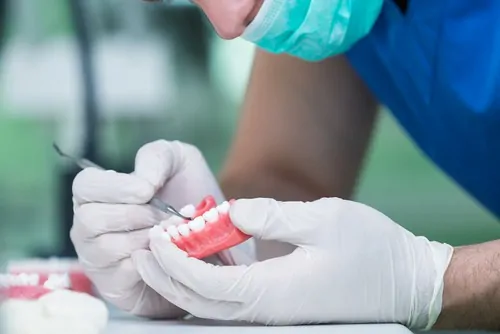
lab tech with denturesIf you’re missing your teeth, getting dentures can restore your smile and your confidence. Dentures are a popular choice among patients and are a relatively simple way to give those who have lost their teeth a reason to smile. But just like natural teeth, dentures require proper care. Your Sparks dentist is here to help guide you through the right way to care for your dentures. 

How to Properly Care for Dentures

Even though dentures are not natural teeth, that doesn’t mean they don’t still need a little TLC in order to keep them clean and fitting comfortably. 

Dentures are an investment in your smile, and you want to take proper care of them so they last a long time and the rest of your mouth stays healthy. If dentures aren’t cared for properly, plaque can build up and cause additional tooth loss, bad breath, and even gum disease. 

If you’re missing some teeth and think dentures may be right for you, call our dental office in Sparks to schedule a consultation. We’ll work with you to find the best tooth replacement option for you. 
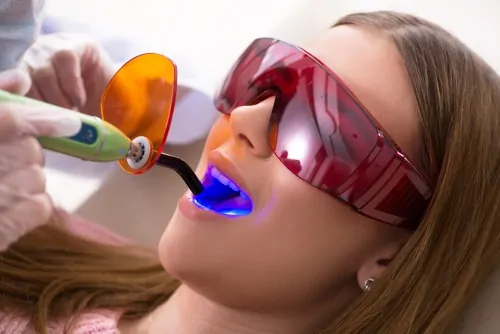
woman getting dental fillingYour dentist in Sparks will tell you that there are many reasons why a filling becomes loose or comes completely out. Let’s take a look at some common causes, and some tips you can use to help you feel more comfortable until you can see the dentist and get your filling fixed.

Why Do Fillings Fall Out?

Sometimes we put a lot of pressure on our teeth when we chew. This can cause a restoration to weaken and fall out. Also, as time wears on, your saliva can eat away at or loosen the bonding your Sparks dentist used to secure your filling. Sometimes the tooth that houses your restorative filling becomes subject to decay and deterioration. Other times fillings simply fall out because we bite down on something hard like a candy or popcorn kernel. Whatever the reason for your failing filling, be sure to have it fixed as soon as possible. Your tooth will be exposed to bacteria and unwanted food particles, causing sensitivity and even decay down the road. 

What Should I Do Now?

First things first, give our Sparks dental office a call. If you’re unable to do that or get to the office right away, we have some tips to help you with your failed filling.

Tip #1 – If your filling didn’t fall out entirely or is loose, see if you can get it out — gently. If it stays in, there’s a chance you could swallow it or even choke.

Tip #2 – Your unfilled tooth is a welcoming environment for harmful bacteria to make a home and destroy your tooth. Be sure to brush gently and carefully. Rinse with water to make sure you’re removing any debris. Saltwater is great! Mix one cup of warm water, and one teaspoon of salt then rinse.

Tip #3 – Watch what you eat so that you don’t further damage your tooth. Avoid things that are sticky or hard. You don’t want anything getting stuck in your tooth or run the risk of breaking it when you bite. Keep foods simple and soft until you get a new filling. 

Tip #4 – If you’re experiencing any sensitivity or pain, it’s usually OK to take over-the-counter pain medication to dull your discomfort. Try not to use any temporary dental cement to put your filling back in place. They tend to be messy, and you run the risk of further damaging your tooth. 

What Will the Dentist Do?

One of the first things we’ll do when you come for a visit is to assess your damaged tooth thoroughly. We might even take some digital photos, too. We’ll use our training and cutting-edge technology to figure out what’s the best fit for your smile. If your tooth has not deteriorated or if it’s not severely decayed, we’ll be able to fix it with a new filling. Whatever treatment you need, take comfort in knowing you’re always in good hands at our dental office in Sparks

We hope you learned a little something here today and that you’re able to get to the dentist soon. Failing or lost fillings are no fun! There’s no reason to panic though there’s a simple solution for every smile. We’re happy to be your dental partner and get your smile healthy and happy again!
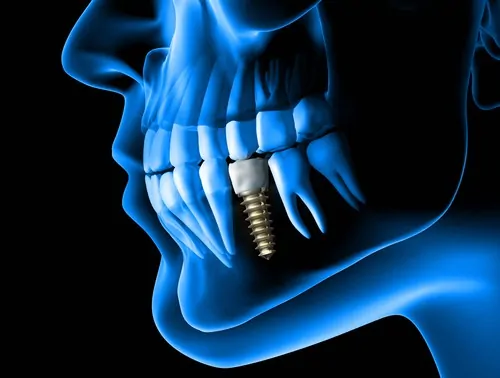
dental implantEven though our teeth are made up of one of the toughest materials in our bodies, the truth is, sometimes our natural teeth won’t last forever. Whether it’s due to trauma, gum disease, or decay, it’s not uncommon to have a tooth fall out or to have one removed. If this happens, there are many tooth replacement options available, but a favorite choice of your Sparks dentist is a dental implant. 

What is a Dental Implant

A dental implant, or even multiple implants, is a superior way to restore your smile and give you a permanent replacement for your tooth. They are usually preferred over a dental bridge or dentures because the implant itself essentially replaces the entire tooth’s structure, not simply the crown. This helps restore your mouth to full function, and oftentimes, you won’t even be able to tell you were ever missing a tooth. In short, dental implants create a natural feel that can last a lifetime. 

Benefits of a Dental Implant

We already know that a dental implant can give us back full functionality of our smiles, but there are many other upsides to this tooth replacement option such as: 

What to Expect During an Implant Procedure

The first step in determining whether a dental implant is right for you is to schedule a consultation with your dentist in Sparks. This visit will allow your dental team to exam your specific situation and determine if an implant is the best tooth-replacement option. If it is, your team will review the treatment plan and schedule the procedure. The procedure itself is pretty easy and consists of a few parts: 

Overall, getting a dental implant is an easy and straightforward treatment that can bring your smile back to life. 

If you’re missing a tooth or are at risk for losing teeth, give our Sparks dental office a call to schedule an appointment today. We’ll be happy to identify the best treatment option for you and your individual situation. 

young man with toothacheWhen you’re dealing with tooth pain or severe decay you may think that a tooth extraction is your only option. However, at our dental office in Sparks, we want all of our patients to know that there may be another option available that can save your tooth.

The Truth About Root Canals

Root canals have a bad reputation of being scary and painful, but the truth is the treatment itself actually makes the pain go away. Your dentist in Sparks may recommend a root canal if a tooth has deep decay or infection, or sometimes even when a dental restoration is too big. Oftentimes, a root canal can be used instead of extracting a tooth.

When an Extraction May Be the Answer

Even though saving your natural tooth is always the preferred treatment, doing so is not always possible. When decay compromises too much of the tooth or if there’s a severe dental injury to a tooth, an extraction may be more appropriate. However, advancements in dental technology provide you with many options to replace a tooth once it’s pulled. Some tooth replacement options include:

Once a tooth is pulled, replacing it with a dental restoration is highly recommended. If an extracted tooth isn’t replaced, other teeth may start to shift and not only affect the cosmetic appearance of your smile, but may also lead to bite problems and TMJ.

Signs of a Problem

Besides generalized tooth pain, there are several other signs that you may have severe decay or dental trauma that needs treatment. Some other symptoms include:

The best way to prevent an extraction or root canal treatment is to keep up with your dental checkups at least every six months. These visits allow the team at our Sparks dental office to monitor your oral health and catch any problems before they turn into something serious. If it’s been longer than six months since you’ve seen a dentist, or if you’re suffering from tooth pain, we welcome you to call and schedule an appointment with us today. We’re here to help make the best recommendation for you to get you out of pain.